Learn about Sierra Alpine Plants…

One of the programs in the Sequoia Speaks Series, presented by the National Park Service.

Taking the Long View: park biologists and citizen scientists working together to monitor alpine plant communities
Saturday, February 19, 2011 from 7-8 pm
Three Rivers Arts Center on North Fork Drive

Join Sequoia Park Plant Ecologist, Sylvia Haultain, on a stunning photographic tour of the plants and animals that live above treeline. She will highlight the parks’ participation in the international Global Observation Research Initiative in Alpine Environments (GLORIA) network and the newly established High Sierra monitoring sites in the Mt. Langley area. Discover an exciting new program that engages you, citizen scientists, in documenting changes in the timing of life cycle events of local plants. Your observations can contribute to our understanding of local climate change effects.

For more information, please call 559-565-4212.

Chapter Winter Program…postponed.

The Alta Peak Chapter usually has its Chapter Winter Program in February. But, due to family health issues from two prospective speakers, we have decided to postpone the meeting. A newsletter will be published later in February.  Planning is in the works for a special field trip day to the Porterville native plant nursery run by Alta Peak Chapter Horitculture Chair, Cathy Capone. Details about this event will be posted on this website later, as well as printed in the newsletter.

Yokohl Valley Revisted

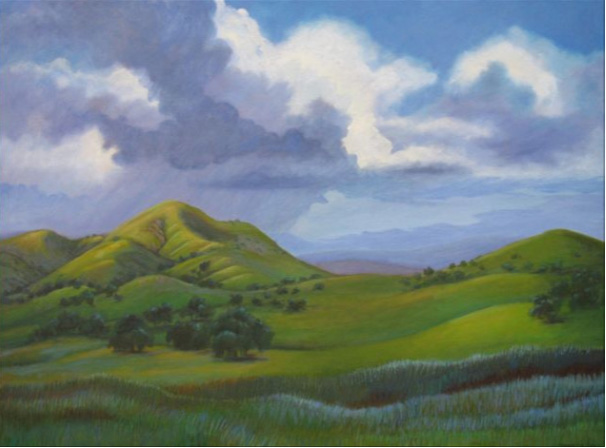
Running from January 13-February 26, local artists, interested in the future of Yokohl Valley, have contributed artwork to a new exhibit at the Tulare Historical Museum.

“Storm Over Yokohl Valley” © Mona Fox Selph

The exhibit will include various media including oil, acrylic, watercolor, photographs and sculpture. All entries will relate in some way to Yokohl Valley.

The exhibit follows a similar show held at Arts Visalia in 2009 intended to bring attention to development plans for Yokohl Valley, located in the Sierra foothills east of Exeter. The J.G Boswell Company wants to build Yokohl Ranch, a 36,000-acre project to be developed in stages with a planned community of 10,000 homes, golf courses, parks and a reservoir.

Mona Fox Selph, a Three Rivers artist, attended an informational meeting on the project in 2008. She became very concerned and wanted to raise awareness about the plans for Yokohl Valley. She organized the first show at Arts Visalia, “Views of Yokohl Valley,” with help from Carol Clum, Laurie Schwaller and Shirley Blair Keller. “It was well attended and received,” Fox Selph said. “I felt that the idea needed to be repeated at other locations so that more people could think about the issue and the impact development would have.” The Tulare City Historical Society, which operates the Tulare Historical Museum, has not taken a position on the Yokohl Ranch development.

Call 559-686-2074 for more information.

For more information about the Yokohl Valley project contact Tulare County Citizens for Responsible Growth.

Alta Peak Chapter Board Meeting

The first Board Meeting of the year for the Alta Peak Chapter will be held on Saturday, January 15, 2011, at 1 pm at the home of Cathy Capone in Porterville. Call 559-361-9164 or email Cathy at ccapone@lycos.com for directions.

We hope that new, interested persons may open some time and space and join us. We will discuss the events coming up for 2011, our two Chapter programs, the annual native plant sale and the conservation issues of our county.

Annual Native Plant Sale

October 2, 2010 from 9-1 pm
Three Rivers Arts Center, North Fork Drive

Deadline for submitting pre-orders is September 20. CNPS members receive a 10% discount for pre-orders. Download pre-order form pdf here.

Plants are provided by Intermountain Nursery in Prather and Cal Native Nursery in Porterville.   We need volunteers on both Friday and Saturday to help with the plant sale. On Friday at 10 am we will be unloading the plants and sorting the pre-orders. On Saturday we need help from 9-1 pm to assist with sales and provide information about gardening with native plants.

Call Janet Fanning at 561-3461 for more information or to volunteer.

Fall Chapter Program

October 2, 2010

What’s Cooking in the Foothills 600 Years Ago?
Native Americans and Our Local Native Plants

Presented by Mary Gorden*

Starts at 2 pm at the Three Rivers Arts Center.
Turn left on North Fork Drive, from Hwy 198.
Arts Center is first building on the left.
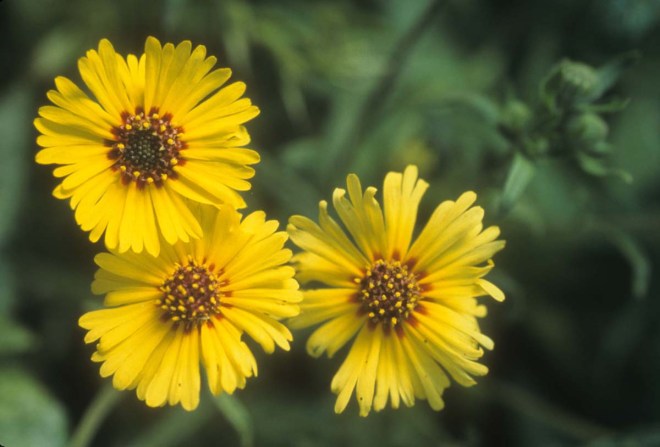
Have you ever wondered if you could survive without all the comforts you now enjoy? It is hard to imagine what life was like many years ago. Six hundred years ago the people in the Sierra Nevada Mountains and foothills lived a comfortable life. Historic evidence indicates that hunter-gatherers did about everything that farmers do. They probably didn’t work as hard.

At this time the locals were tribes who each spoke a dialect of the Yokuts language and lived in the foothills of the Sierra Nevada. Their neighbors, the Monache, who lived higher in the mountains, were a cultural mix of Shoshone-Piute and Yokuts speakers. We will take a brief glimpse at their technology and lifestyle as recorded by ethnographers at the end of the 19th and early 20th centuries.

Their technology was sophisticated and complex. The women’s skillful weaving ranks them among the best basket makers in the world. Their knowledge of plants was extensive and is useful to us today because native plants are better suited to our environment.

In 1918 C. H. Merriam, a biologist, stated that everyone should be eating acorn because of its high nutritive value. John Muir often carried acorn bread on his tramps through the mountains because it was the most compact and nutritious food he had ever eaten. Besides acorns, the natives ate a wide variety of plant foods. We will look at how women prepared and stored plant foods and medicines.

In addition, we will calculate the amount of plant material it would take to make a house, baby cradles and other items. While we cannot return to a hunter-gather way of life, we can appreciate the knowledge, ingenuity and technical skill that the Native Americans in the foothills and mountains displayed.

*Speaker, Mary Gorden is a retired teacher who taught elementary and high school, in addition to college classes for teachers in history and archaeology. The class on Native Plants and Their Uses was the product of her research of early ethnographers in the San Joaquin Valley who recorded the culture of the Native Americans. Mary also worked as an archaeological assistant for the California Department of Forestry and Fire Protection. She is particularly interested in San Joaquin Valley Yokuts’ cultures and the conservation of historic and prehistoric sites in the Sierra Nevada Mountains and foothills. One project was the restoration of one of Shorty Lovelace’s cabins in the Sierra National Forest.

Mary has been active in volunteer site monitoring and recording in conjunction with the South Sierra Archaeology Society. She has served three terms on the Bureau of Land Management Regional Resource Advisory Committee as the representative for historical and archaeological interests.  She is a recipient of the President’s award for volunteer contributions to the Bureau of Land Management. She is active in the Tulare County Citizens for Responsible Growth.

______________________________________

This program is held in conjunction with the Green Faire, part of the Three Rivers Environmental Weekend.

Interesting Native American sites:
The National American Indian Museum is part of the Smithsonian, also on facebook.

Deborah Small’s ethnobotany blog.
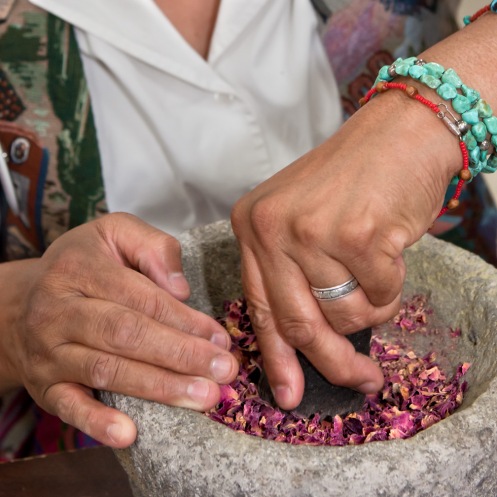
Grinding rose petals and rose hips to make a tea, from article about Native Plants for Food and Medicine Class.